Love God and Love Your Neighbour
Dear brothers and sisters in Christ,
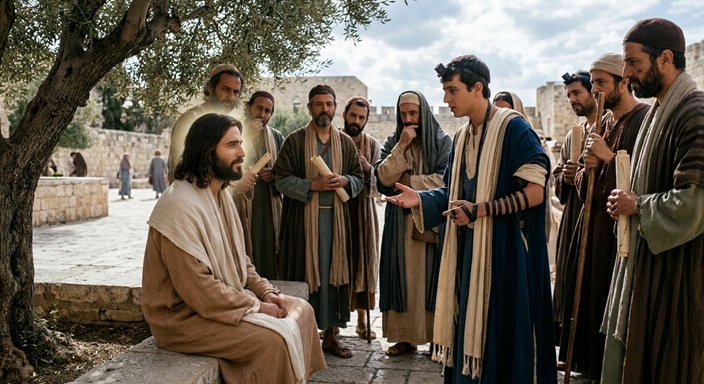
Today’s readings remind us that the foundation of our relationship with God is love. In the Gospel, a Pharisee asks Jesus which commandment is the greatest. Jesus answers by giving two commandments: to love God with all our heart, soul, and mind, and to love our neighbour as ourselves.
These two commandments are inseparable. We cannot truly claim to love God while deliberately treating our neighbour with hatred, cruelty, injustice, or indifference. Likewise, when we genuinely love God, that love must become visible in how we treat the people around us.
The first reading from Exodus shows us how God expects His people to treat the stranger, the widow, the orphan, and the poor. The second reading from St. Paul’s First Letter to the Thessalonians shows us a community whose faith became an example to others. Together, these readings teach us that true love of God must be expressed through our actions towards others.
1. Love of God Is the Greatest Commandment
In the Gospel, Jesus says:
“You shall love the Lord your God with all your heart, and with all your soul, and with all your mind.” (Matthew 22:37)
Jesus places love of God at the centre of our Christian life. God is not asking for a small portion of our lives; He wants our whole heart.
To love God with all our heart means that He must occupy the most important place in our lives. Our decisions, ambitions, relationships, and daily activities should reflect our desire to please Him.
To love Him with all our soul means remaining faithful to Him, even when life becomes difficult. We should not abandon God simply because our prayers seem unanswered or because we face suffering.
To love Him with all our mind means allowing His truth to guide our thinking. We should not allow greed, pride, jealousy, or selfish ambition to control our choices.
Brothers and sisters, we must ask ourselves: Is God truly first in my life? Do I remember Him only when I need something, or do I seek to please Him every day?
Our love for God must be more than words spoken in prayer. It must influence the way we live.
2. Love of Neighbour Is Not Optional
After identifying the first commandment, Jesus immediately adds:
“You shall love your neighbour as yourself.” (Matthew 22:39)
Notice that Jesus does not separate love of God from love of neighbour. He places them together because one must lead to the other.
It is easy to say that we love God because we cannot see Him physically. However, the people around us give us daily opportunities to demonstrate whether our love is genuine.
How do we treat our spouses, children, parents, neighbours, colleagues, employees, and those who depend on us? Are we patient with them? Do we respect them? Do we help them when they are in need?
Sometimes, we are kind to strangers but cruel to members of our own families. We may speak gently in church but speak harshly at home. We may give generously in public while refusing to assist someone close to us who genuinely needs help.
Jesus calls us to a love that is practical, sincere, and consistent.
Loving our neighbour does not mean that we must agree with everything everyone does. It means that even when we disagree, we must not abandon respect, fairness, compassion, and concern for the other person's well-being.
3. God Identifies Himself with the Vulnerable
The first reading from the Book of Exodus makes the commandment of love very practical. God instructs the Israelites not to oppress strangers or mistreat widows and orphans.
He reminds them that they too were strangers in the land of Egypt. They should remember their own experience of suffering and therefore show compassion to others.
God says that when the vulnerable cry out to Him, He will hear their cry.
This reading teaches us that God pays attention to how we treat people who have little power to defend themselves.
The widow, the orphan, the stranger, and the poor represent people who may easily be neglected, exploited, or forgotten by society.
Today, we can see similar situations around us. Some people are struggling to feed their families. Some children lack proper care and education. Some elderly people are abandoned by those who should care for them. Some workers are underpaid, while others are denied what they have honestly earned.
The first reading reminds us that these are not matters God ignores.
If we claim to love God, we must care about the suffering of those around us. We cannot close our eyes to injustice and still pretend that our relationship with God has no connection to our conduct.
A heart that loves God must also be sensitive to the suffering of others.
4. Love Must Be Expressed Through Actions
The first reading also speaks about lending to the poor without exploiting them and returning a poor person's cloak before sunset.
These instructions show that love is not merely an emotion. It involves concrete actions that protect the dignity and well-being of others.
It is possible to feel sorry for someone without doing anything to help. We may see a person in distress and say, “I feel for you,” but never offer assistance when we are able to do so.
Christian love challenges us to move beyond feelings into action.
If we can help someone in need, we should help. If we have wronged someone, we should seek reconciliation. If we have power over others, we should use that power fairly. If someone has entrusted us with something, we should act honestly.
We must also be careful not to take advantage of people simply because they are poor, vulnerable, or dependent on us.
In our families, workplaces, businesses, schools, and communities, we should ask whether our actions make life better or more difficult for others.
The love Jesus commands must be seen in the way we speak, the way we handle money, the way we exercise authority, and the way we respond to people who cannot repay us.
5. We Cannot Love God and Deliberately Hate Our Neighbour
Jesus says that the second commandment is like the first. This means that love of neighbour is not an unimportant addition to our spiritual life.
Sometimes, people concentrate on religious activities while neglecting the way they treat others. They attend Mass, pray the Rosary, participate in parish activities, and make generous offerings, yet they may continue to harbour hatred, spread falsehoods, cheat others, or refuse to forgive.
The readings invite us to examine this contradiction.
Our prayers and religious practices should help us become more loving, just, patient, and compassionate. If our religious activities do not influence our behaviour, we must ask ourselves whether we are allowing God's word to transform our hearts.
This does not mean that we must become perfect before we can pray or attend Mass. Rather, it means that our worship should continually lead us towards conversion.
When we recognise that we have treated someone badly, we should repent and make an effort to change. When resentment has taken root in our hearts, we should ask God for the grace to overcome it.
We cannot always control how others treat us, but we can choose not to make hatred the guiding principle of our own lives.
6. Love Requires Sacrifice and Forgiveness
Loving our neighbour is not always easy. It is easy to love those who appreciate us, support us, and treat us well. The real challenge comes when we encounter difficult people, experience disappointment, or suffer injustice.
Sometimes, loving another person requires patience when we would rather react angrily. At other times, it requires forgiving someone who has hurt us, admitting that we were wrong, or helping a person who may never thank us.
This kind of love requires sacrifice.
It does not mean allowing others to abuse us or refusing to seek justice when we have been wronged. Rather, it means refusing to let bitterness and hatred determine our actions.
We can set appropriate boundaries while still seeking the good of another person. We can correct someone without humiliating them. We can disagree without insulting them. We can seek justice without becoming consumed by revenge.
Brothers and sisters, love becomes most visible when it costs us something.
If our love extends only to those who make us comfortable, we have not yet fully embraced the challenge Jesus places before us.
7. Our Faith Must Become an Example to Others
In the second reading, St. Paul praises the Thessalonians because they received the word of God and became examples to other believers.
Their faith did not remain hidden. Their conversion became known through the way they lived, and others were encouraged by their example.
This reminds us that Christians are called to make their faith visible in daily life.
Our children should learn the meaning of love by watching how we treat people. Our neighbours should encounter kindness through our conduct. Our colleagues should see honesty in our work. Those who are struggling should find compassion in our response.
We do not need to be famous or occupy an important position before our lives can influence others.
A parent who raises children with patience and integrity is giving a powerful Christian witness. A worker who refuses to cheat is witnessing to the truth. A person who assists the poor quietly is demonstrating the love of God. A Christian who chooses reconciliation instead of revenge is showing that the Gospel has taken root in the heart.
The Thessalonians remind us that a community becomes a witness to Christ when its members allow their faith to shape their lives.
Let us therefore ask ourselves: If someone judged Christianity by the way I live, what would that person learn about Christ?
8. Love Is the Foundation of the Whole Law
Jesus concludes His answer by saying:
“On these two commandments hang all the law and the prophets.” (Matthew 22:40)
With these words, Jesus shows us the central principle that holds our religious duties together.
The commandments are not meant to be followed merely out of fear or as a way of appearing righteous before others. They guide us towards a life rooted in love for God and love for our neighbour.
Love does not mean that God's commandments no longer matter. Rather, genuine love helps us understand why we must live according to them.
We do not steal because we respect the dignity and property of others. We do not lie because we value truth and trust. We do not exploit the poor because we recognise their dignity. We seek reconciliation because we desire peace. We care for those in need because their suffering matters to us.
When love guides our lives, obedience to God becomes more than an outward observance. It becomes an expression of a heart that desires what is good.
This is the challenge Jesus gives us today: not simply to know God's commandments, but to allow them to shape our relationships, decisions, and daily actions.
Conclusion: Let Love Be the Measure of Our Christian Life
Dear brothers and sisters in Christ, today's readings give us a simple but demanding message: love God wholeheartedly and love your neighbour sincerely.
The first reading reminds us to protect the vulnerable and never exploit those in need. The second reading shows us the importance of a faith that becomes an example to others. The Gospel brings everything together in the two great commandments: love God and love your neighbour as yourself.
As we leave this Mass, let us reflect on a few questions.
- Is God truly at the centre of my life?
- Do I treat the people around me with the same respect and concern I desire for myself?
- Have I been unjust to anyone, especially someone who depends on me?
- Is there someone I need to forgive, help, or reconcile with?
- Does my daily life give others a good example of Christian faith?
We may not be able to solve every problem in the world, but each of us can begin by loving faithfully in the place where God has placed us.
Let us love in our homes, in our workplaces, in our parishes, and in our communities. Let us show kindness to the stranger, compassion to the poor, fairness to those who work with us, and patience towards those who challenge us.
Above all, let us remember that love of God and love of neighbour belong together. Our Christianity must be seen not only in what we profess with our lips but also in what we do with our lives.
May God give us the grace to love Him with our whole being and to love our neighbours with sincere and generous hearts.
As Jesus teaches us in today's Gospel:
“You shall love the Lord your God with all your heart, and with all your soul, and with all your mind … You shall love your neighbour as yourself.” (Matthew 22:37, 39)
Amen.