That the World May Believe
Dear brothers and sisters in Christ,
Today, as we celebrate World Mission Sunday, the readings remind us that God's salvation is offered to all peoples and that we have a responsibility to make His word known to the world.
In the first reading, Isaiah declares that God's house shall be called a house of prayer for all peoples. In the second reading, St Paul explains the importance of proclaiming the Gospel, asking how people can believe in Christ if they have not heard about Him. In the Gospel, Jesus prays for His disciples, asking the Father to protect them, sanctify them in the truth, and unite them so that the world may believe.
These readings bring us to the heart of the Church's mission: to make Christ known to the world through the proclamation of the Gospel, the holiness of our lives, and the unity we share as His followers.
1. God's House Is for All Peoples
The first reading from Isaiah presents God's desire to welcome people beyond the boundaries of Israel.
The Lord declares:
“My house shall be called a house of prayer for all peoples.”
This statement reveals the universal nature of God's invitation.
God does not desire the salvation of only one tribe, nation, or group. His invitation extends to all peoples.
This is an important message for World Mission Sunday. The Church does not exist only for those who are already within her walls. She is called to reach out, proclaim Christ, and invite everyone into communion with God.
We must therefore avoid treating the faith as something meant only for people who look like us, speak our language, or share our background.
God's house is a house of prayer for all peoples. Our hearts and our communities should reflect this openness.
2. Those Who Love the Lord Are Called to Serve Him
Isaiah speaks about foreigners who join themselves to the Lord, minister to Him, love His name, and become His servants.
The Lord welcomes those who hold fast to His covenant.
This teaches us that our relationship with God must go beyond words or outward appearances. It should be expressed through love, fidelity, and service.
On this World Mission Sunday, we remember that missionary work is not simply about increasing numbers or bringing people into our churches. It is about helping people encounter the living God and grow in a faithful relationship with Him.
We must also examine ourselves.
Do we serve God sincerely?
Does our faith influence our conduct?
Are we willing to serve Him even when it requires sacrifice?
The people described by Isaiah demonstrate that belonging to God involves a real commitment to Him.
3. How Can People Believe If They Have Not Heard?
In the second reading, St Paul explains the relationship between faith and the proclamation of the Gospel.
He writes:
“For one believes with the heart and so is justified, and one confesses with the mouth and so is saved.”
Paul then asks a series of important questions:
“How are they to believe in one of whom they have never heard? And how are they to hear without someone to proclaim him?”
These questions reveal the importance of missionary work.
People cannot respond to a message they have never received. The Gospel must be proclaimed so that people can hear about Christ and come to believe in Him.
This is why the Church sends missionaries to different parts of the world. They proclaim the Good News so that people may hear, believe, and call upon the name of the Lord.
But the responsibility does not belong only to those who travel to distant lands.
Every Christian has a role in making Christ known.
Parents proclaim Christ when they teach their children the faith. Catechists proclaim Him when they instruct others. Priests proclaim Him through preaching. Ordinary Christians bear witness when their words and actions reflect the Gospel.
The question is not whether every Christian must become a travelling missionary, but whether each of us is doing our part to make Christ known.
4. “How Beautiful Are the Feet of Those Who Bring Good News!”
St Paul declares:
“How beautiful are the feet of those who bring good news!”
These words remind us of the dignity of those who proclaim the Gospel.
Missionaries may travel through difficult terrain, leave the comfort of their homes, face hardship, and serve people whose circumstances are very different from their own.
Their work is important because they carry the message of salvation to others.
Today, we remember them in prayer and support their work according to our means.
However, we should also remember that the beauty of missionary work lies not in the distance travelled or the number of people addressed, but in the faithful proclamation of Christ.
We may never travel abroad, but we can still bring good news to someone who is discouraged, teach a child about God, encourage someone to return to prayer, or help another person understand the Christian faith.
Wherever we are, we can become instruments through which others hear the Good News.
5. Faith Must Be Proclaimed and Lived
Paul asks how people can believe without hearing the message of Christ. This places a responsibility on those who have received the faith.
We cannot keep the Good News entirely to ourselves.
But proclaiming Christ requires more than speaking about Him. Our lives should support the message we proclaim.
If we speak about God's love but treat others with hatred, our conduct contradicts our words.
If we preach truth but practise dishonesty, we weaken our witness.
If we call people to unity but constantly encourage division, we fail to reflect the message of Christ.
Our words are important, but our lives must also bear witness to what we believe.
World Mission Sunday therefore invites us to ask whether our daily conduct helps others recognise the goodness of the Gospel.
We are called not only to speak about Christ, but also to allow Christ to be seen in us.
6. Jesus Prays for His Disciples
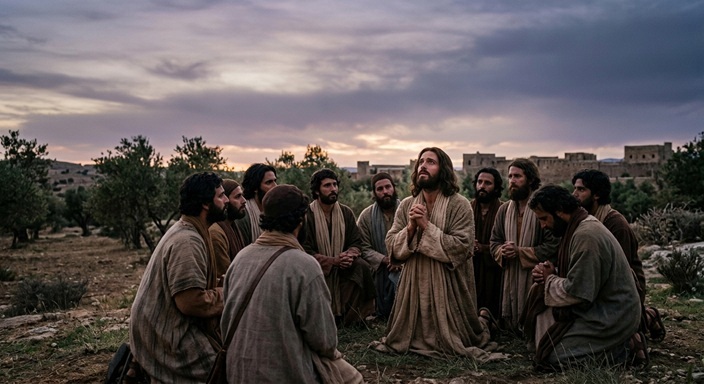
In the Gospel, Jesus prays to the Father for His disciples.
He asks:
“Holy Father, protect them in your name that you have given me, so that they may be one, as we are one.”
Jesus knows that His disciples need the Father's protection.
They have a mission to fulfil, and He prays that they will remain united.
This reminds us that missionary work is not accomplished by human strength alone. Those who proclaim the Gospel need God's protection and grace.
We should therefore pray for missionaries, priests, religious men and women, catechists, and all who dedicate themselves to proclaiming Christ.
They need strength to persevere, wisdom to teach the truth, and grace to remain faithful when they face difficulties.
We must also remember that we ourselves need God's help to fulfil our Christian responsibilities.
Mission begins with dependence on God, not confidence in our own abilities alone.
7. “Sanctify Them in the Truth”
Jesus continues His prayer:
“Sanctify them in the truth; your word is truth.”
Jesus asks the Father to sanctify His disciples in the truth.
This is significant because the mission of the Church must be rooted in God's word.
We cannot faithfully proclaim Christ while deliberately abandoning the truth He has given us.
Those who teach the faith must strive to understand it correctly. Those who preach must remain faithful to the Gospel. Those who witness to Christ through their lives must allow His word to guide their decisions.
The Church's mission is not to invent a message that people will find convenient. It is to proclaim the truth entrusted to her.
We too must allow God's word to correct us, strengthen us, and shape the way we live.
Before asking how we can bring others closer to Christ, we should ask whether we are allowing His truth to transform us.
8. “As You Have Sent Me into the World, So I Have Sent Them”
Jesus says to the Father:
“As you have sent me into the world, so I have sent them into the world.”
Here we see the missionary character of the disciples.
Jesus sends them into the world because the message they have received is meant to reach others.
They are not called to keep the truth to themselves or withdraw completely from the people they are sent to serve.
They must go out and bear witness.
This is also the responsibility of the Church today.
We are sent into our families, schools, workplaces, villages, towns, and nations to bear witness to Christ.
We do not need to wait for a special occasion before living our mission.
Every day provides opportunities to show patience, speak truthfully, act justly, encourage others, and share the faith when appropriate.
Our mission begins with the people and circumstances God has placed before us.
9. Unity Is Essential to Our Mission
Jesus prays:
“That they may all be one.”
He then explains the purpose of this unity:
“So that the world may believe that you have sent me.”
This is one of the most important messages for World Mission Sunday.
Jesus connects the unity of His followers with the world's ability to believe in Him.
When Christians live in unity, their witness becomes stronger. When they constantly quarrel, condemn one another, or allow divisions to destroy their relationships, their witness is weakened.
Unity does not mean that everyone must have the same personality or express every opinion in exactly the same way. It means that our common belonging to Christ must be greater than the things that divide us.
We must be willing to work together, pray together, support one another, and place Christ's mission above personal rivalry.
This is especially important in our families and Christian communities.
If we want others to believe in Christ, our lives should not present a picture of endless hostility and division.
The unity of Christians is itself a witness to the world.
10. “That the Love with Which You Have Loved Me May Be in Them”
Jesus concludes this part of His prayer by speaking of the love of the Father and His desire that this love may dwell in His disciples.
He says:
“That the love with which you have loved me may be in them, and I in them.”
This reveals the heart of our mission.
We are not simply sent to pass on information about Jesus. We are called to lead people towards a relationship with Him, so that they may know God's love and remain in Christ.
But this mission must begin with our own relationship with the Lord.
If we wish to make His love known, we must allow that love to take root in our hearts.
If we wish to proclaim unity, we must strive to live in unity.
If we wish to proclaim the truth, we must allow the truth to guide us.
If we wish to bring people closer to Christ, we must remain close to Him ourselves.
Our missionary work becomes more authentic when the message we proclaim is reflected in the lives we live.
Conclusion
Dear brothers and sisters in Christ,
Today's readings give us a clear understanding of our missionary responsibility.
Isaiah reminds us that God's house is a house of prayer for all peoples.
St Paul teaches us that people need to hear the Gospel in order to believe, and that those who proclaim the Good News perform a beautiful and necessary service.
In the Gospel, Jesus prays that His disciples will be protected, sanctified in the truth, and united so that the world may believe that the Father sent Him.
These readings invite us to examine our participation in the mission of the Church.
Do we help others hear the Good News?
Do we support those who dedicate their lives to missionary service?
Do we allow God's word to shape our conduct?
Do we work for unity, or do we contribute to division?
Does the way we live help others recognise Christ?
Let us remember that the mission of the Church belongs to all of us. Some will proclaim the Gospel in distant lands; others will proclaim it in their homes and communities. Some will teach, others will serve, and others will support the mission through prayer and generosity.
Whatever our role, let us fulfil it faithfully.
May the Lord protect those who proclaim His word, sanctify them in His truth, and unite all Christians in His love.
And may our unity, our witness, and our proclamation lead more people to believe in Jesus Christ.
“That they may all be one … so that the world may believe that you have sent me.”
Amen.